
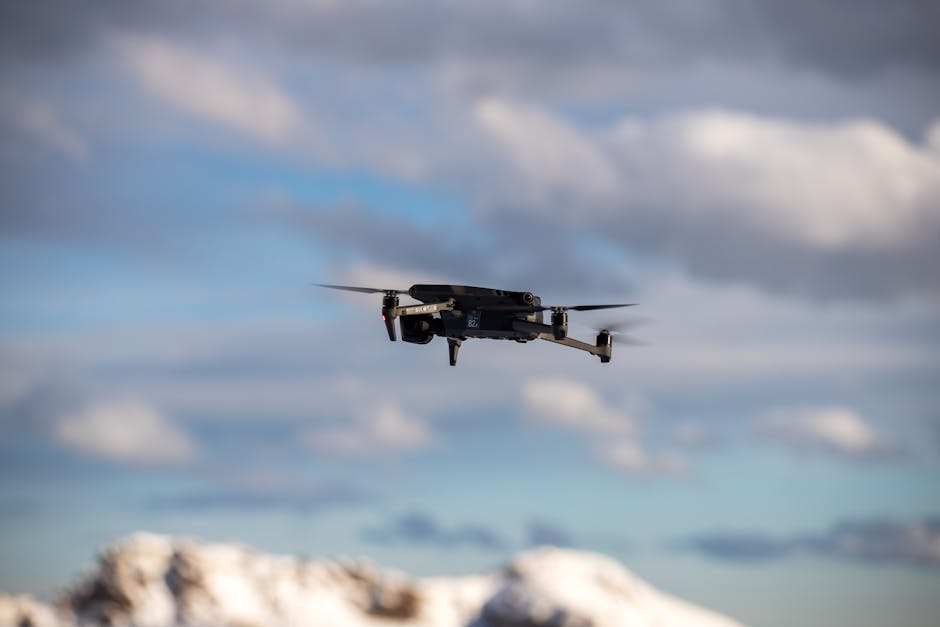
In recent years, thermal drone inspections have become an indispensable tool for utility services, revolutionizing the way infrastructure is monitored and maintained. Unlike traditional inspection methods that require physical presence and can be time-consuming or hazardous, thermal drones provide a safer, faster, and more efficient alternative. These aerial platforms equipped with thermal imaging cameras detect temperature anomalies that indicate potential issues in utility networks such as electrical grids, pipelines, and solar farms.
Utility companies increasingly rely on advanced technologies to minimize downtime and prevent failures. For those interested in exploring this technology, Acecore’s thermal drone inspection page offers valuable insights into how these drones operate and the benefits they bring to the utility sector.
The Role of Thermal Imaging in Utility Inspections
Thermal imaging cameras capture infrared radiation emitted by objects, allowing drones to visualize heat patterns invisible to the naked eye. This capability is particularly useful for utility inspections where overheating components or leaks can compromise system integrity. Thermal drone inspections detect:
- Electrical hotspots in power lines and transformers
- Leaks or blockages in pipelines through temperature differentials
- Overheated components in solar panels or wind turbines
- Insulation failures in substations and distribution equipment
By identifying these issues early, utility providers can schedule timely maintenance, avoiding costly outages and enhancing safety for both workers and customers.
Advantages of Using Thermal Drones for Utility Services
Thermal drone technology offers several key advantages over traditional inspection methods, including:
- Enhanced Safety: Drones reduce the need for personnel to access dangerous or remote locations, such as high-voltage lines or confined spaces.
- Efficiency and Speed: Large areas can be surveyed quickly, enabling frequent inspections without disrupting service.
- High-Resolution Data: Thermal cameras provide precise temperature data, facilitating accurate diagnostics.
- Cost Savings: Lower labor and equipment costs compared to manual inspections or manned aircraft.
- Real-Time Monitoring: Live thermal feeds allow operators to make immediate decisions during inspections.
Understanding the Technology Behind Thermal Drones
Thermal drones represent a convergence of several cutting-edge technologies. At the core are UAVs (unmanned aerial vehicles), which are often interchangeably called drones, though subtle differences exist. A surveillance drone, for example, might prioritize stealth and endurance, while commercial drones focus on payload capacity and stability. For utility inspections, drones must carry advanced thermal imaging sensors while maintaining flight stability and maneuverability in various weather conditions.
One notable leader in this space is the drone manufacturer Acecore, known for producing high-performance UAVs tailored for industrial applications including drone inspection and drone utility inspection. Their platforms are designed to integrate with thermal cameras and other sensor payloads, supporting precise and reliable data collection essential for utility maintenance and security operations.
Applications of Thermal Drone Inspections in Utilities
Thermal drones have a broad range of applications within the utility sector, including:
- Electrical Grid Maintenance: Detecting faulty transformers, circuit breakers, and power lines before failures occur.
- Pipeline Inspection: Identifying leaks and blockages in oil, gas, and water pipelines by detecting abnormal temperature variations.
- Renewable Energy Facilities: Monitoring solar panels and wind turbines to optimize performance and prevent overheating.
- Security and Surveillance: Utilizing drone security capabilities to monitor utility sites for unauthorized access or vandalism.
Embracing the Future of Utility Inspections
As utility demands grow and infrastructure ages, adopting innovative inspection methods like thermal drone inspections becomes crucial. This technology not only enhances operational efficiency but also improves safety and reduces environmental impact. By leveraging the capabilities offered by commercial drones and advanced UAV platforms, utility providers can ensure more reliable service delivery and proactive maintenance strategies.